The honest truth about the first months
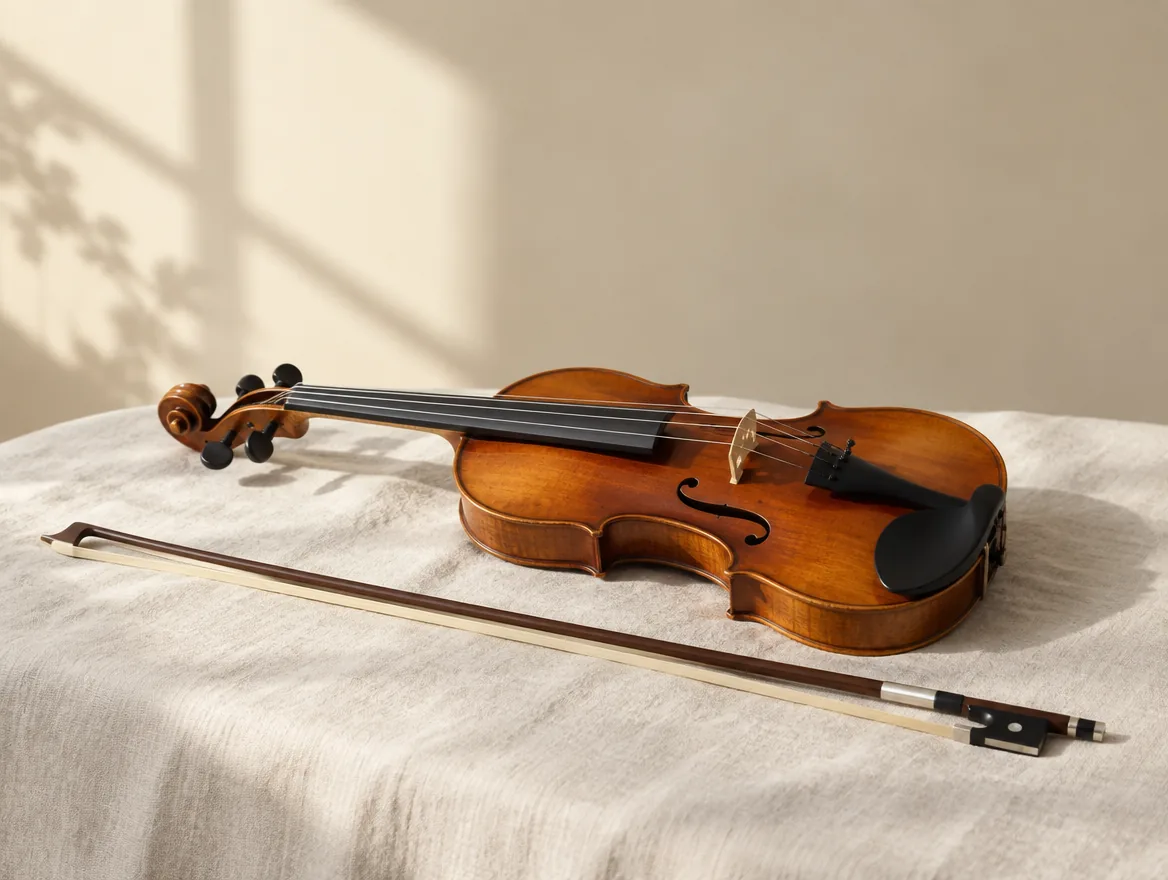
The violin has no keys and no frets, so every note has to be found and heard by the player. That makes it hard at the start, and very rewarding when it is taught well. For the first few months the sound will not always be sweet. Notes slip and the bow may squeak. That is a normal part of the process, not a sign that your child lacks talent.
Because there is no marker on the neck, students train the ear as seriously as the fingers. Violinists usually grow up with a sharp sense of pitch, which helps in any kind of music. The teacher's job is to keep your child encouraged through the early weeks with small targets that feel reachable.
From holding the violin to playing a tune
- Posture and hold. How to stand or sit, hold the violin and support it without tension.
- Bow and open strings. Drawing the bow straight and calm across the strings before the left hand starts work.
- First notes and scales. Placing the fingers accurately and training the ear to recognise the right note.
- Short pieces. Playing simple tunes cleanly, then moving slowly to longer repertoire.
What to prepare at home
You do not need to buy a violin before the trial.
- The right size. Violins for children come in smaller sizes. The right size keeps a child comfortable, and a wrong one makes practice tiring.
- Ask first. Before buying, ask the teacher. A violin that is too cheap is often hard to tune and can discourage a child.
- Regular practice. Short and frequent beats one long weekend session.
Where to study
Violin lessons are available at Surabaya West (Jl. Dian Istana no. 1), at Surabaya East in Dharmahusada, in Jakarta and online. We confirm which teachers and slots are open for violin when you book. If you like the sound of a deeper string instrument, cello is also in the classical programme.