What learning the harp is like
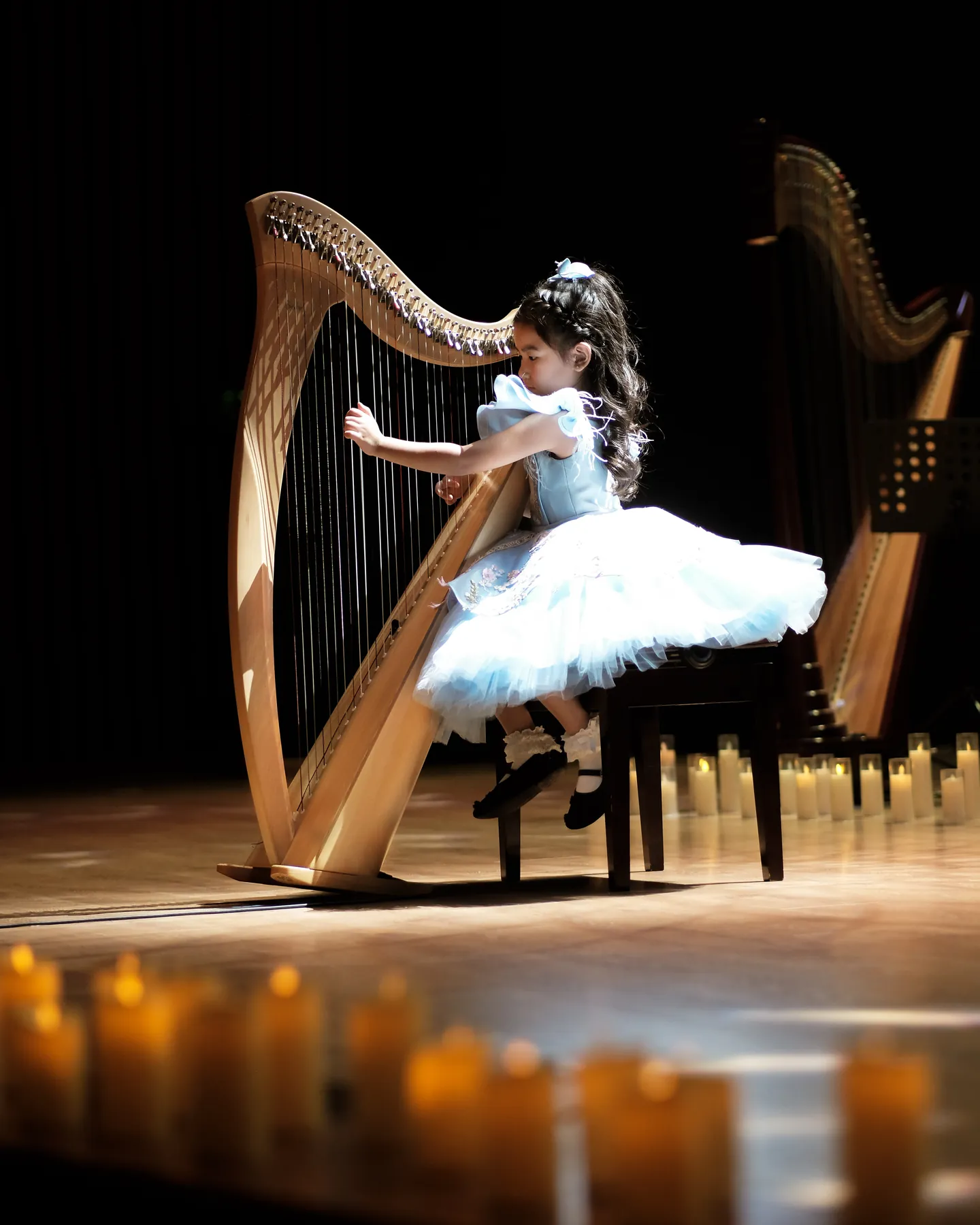
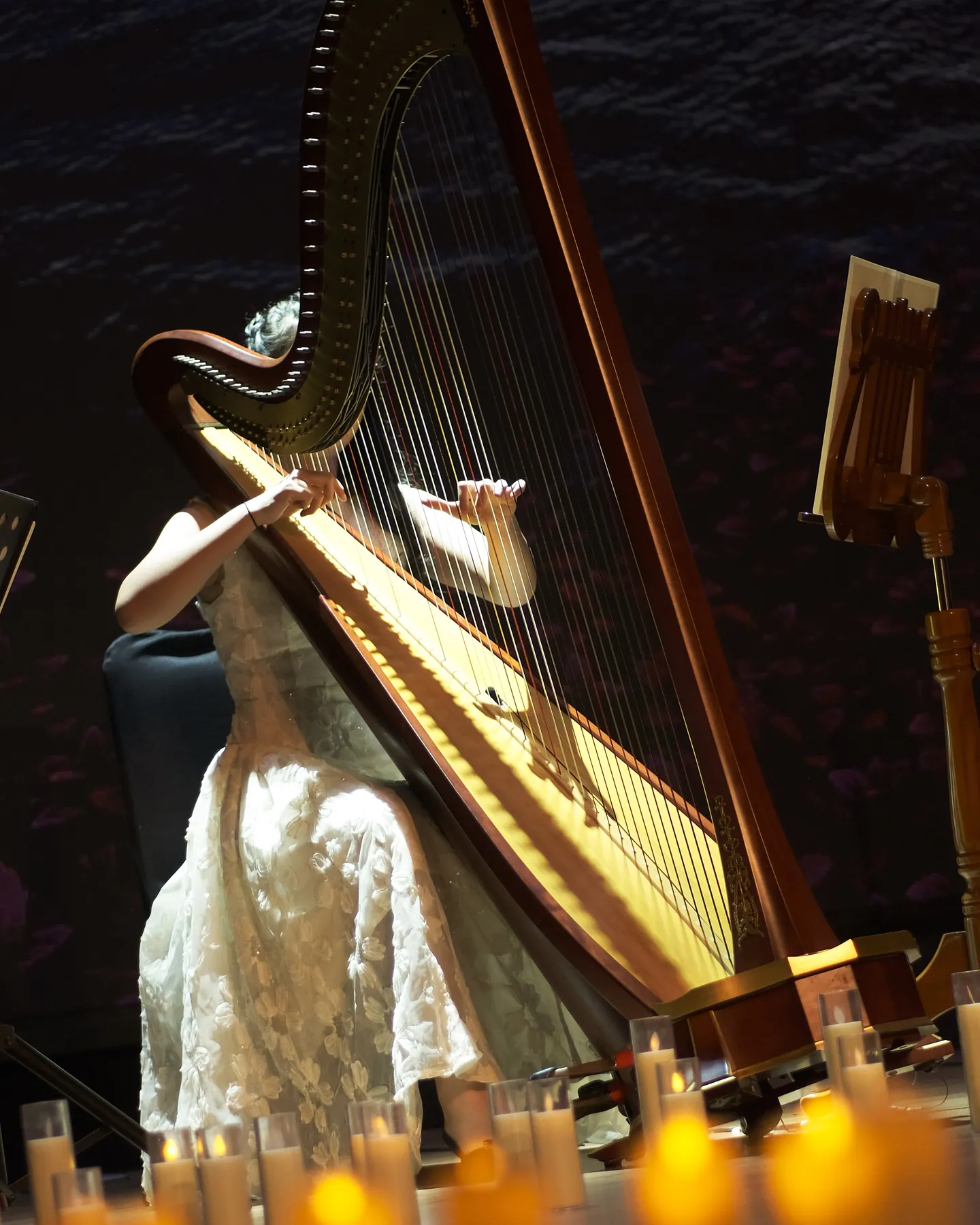
Stand beside a concert harp and the first surprise is the size. It is about as tall as a grown adult, with 47 strings running from a curved neck down to the soundboard, and it rests back against the player's shoulder.
There are no keys, no frets and no picks. The player plucks each string with the pads of the fingers, and both hands work at once, much as they do on the piano. A harpist reads the same two staves a pianist reads. The strings are colour coded: every C is red and every F is dark, so a beginner can find their place at a glance.
A concert harp has seven pedals at the base. Each pedal raises or lowers one note name across every octave by a semitone, which is how the harp plays in any key. A lever harp does the same job with a small lever at the top of each string. It is lighter, has fewer strings and suits smaller players.
What a 30-minute lesson looks like
A lesson is short on purpose, enough for a young student to stay focused, with the real learning happening between lessons. A typical lesson covers four things:
- Finger warm-up. Getting the hands and the ear ready.
- Technique. One or two things practised carefully.
- A piece. Repertoire matched to the student's stage.
- Practice task. Clear and doable at home.
Short and regular beats long and rare. A few focused minutes at the harp most days does more than an hour the night before a lesson.
A beginner's first year
Every child is different, so read this as a shape, not a timetable.
- The first weeks. Learning to sit at the harp, rest it against the shoulder and shape the hand so the finger closes into the string. Finding strings by colour. A first clean sound and a first very short tune.
- Months two and three. Simple tunes played from notation, with the second hand beginning to join in. This is the stretch where habits form, which is why Kara asks for a three-month minimum at enrolment.
- Months four to six. Both hands together on short but real pieces, with attention to dynamics and tone.
- Months seven to twelve. A small repertoire the student knows well, and the confidence to play it for others.
The path from first lesson to the stage
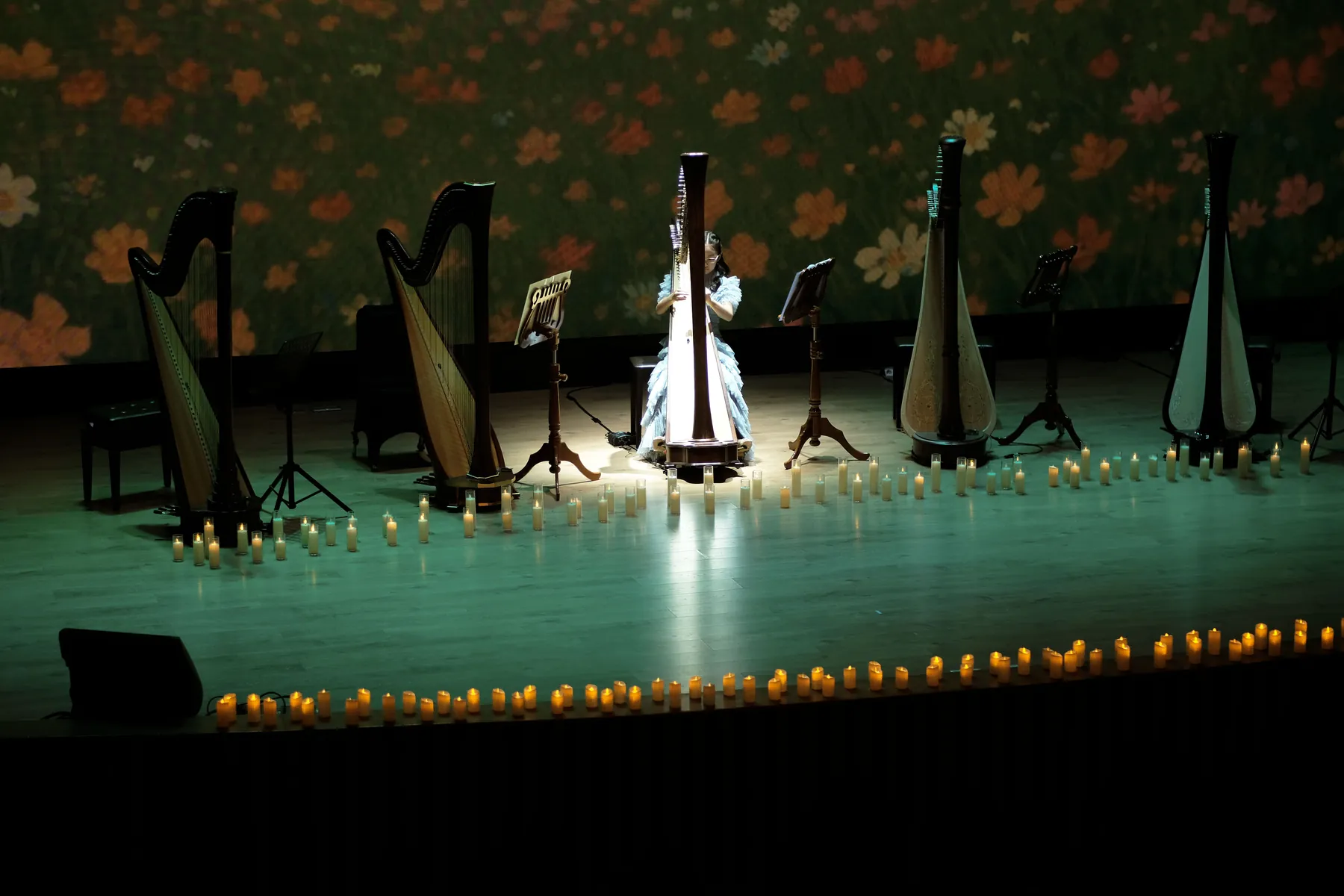
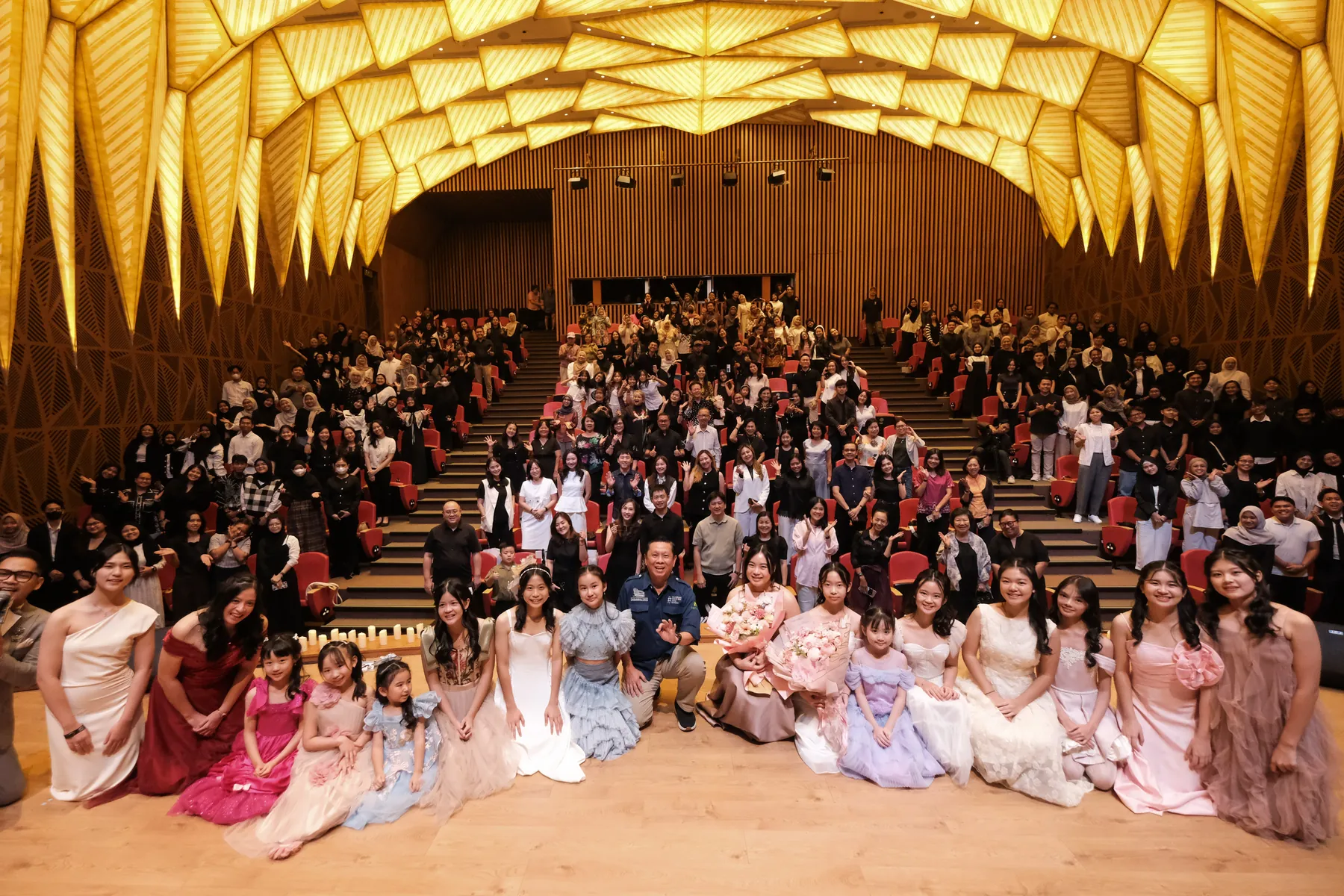
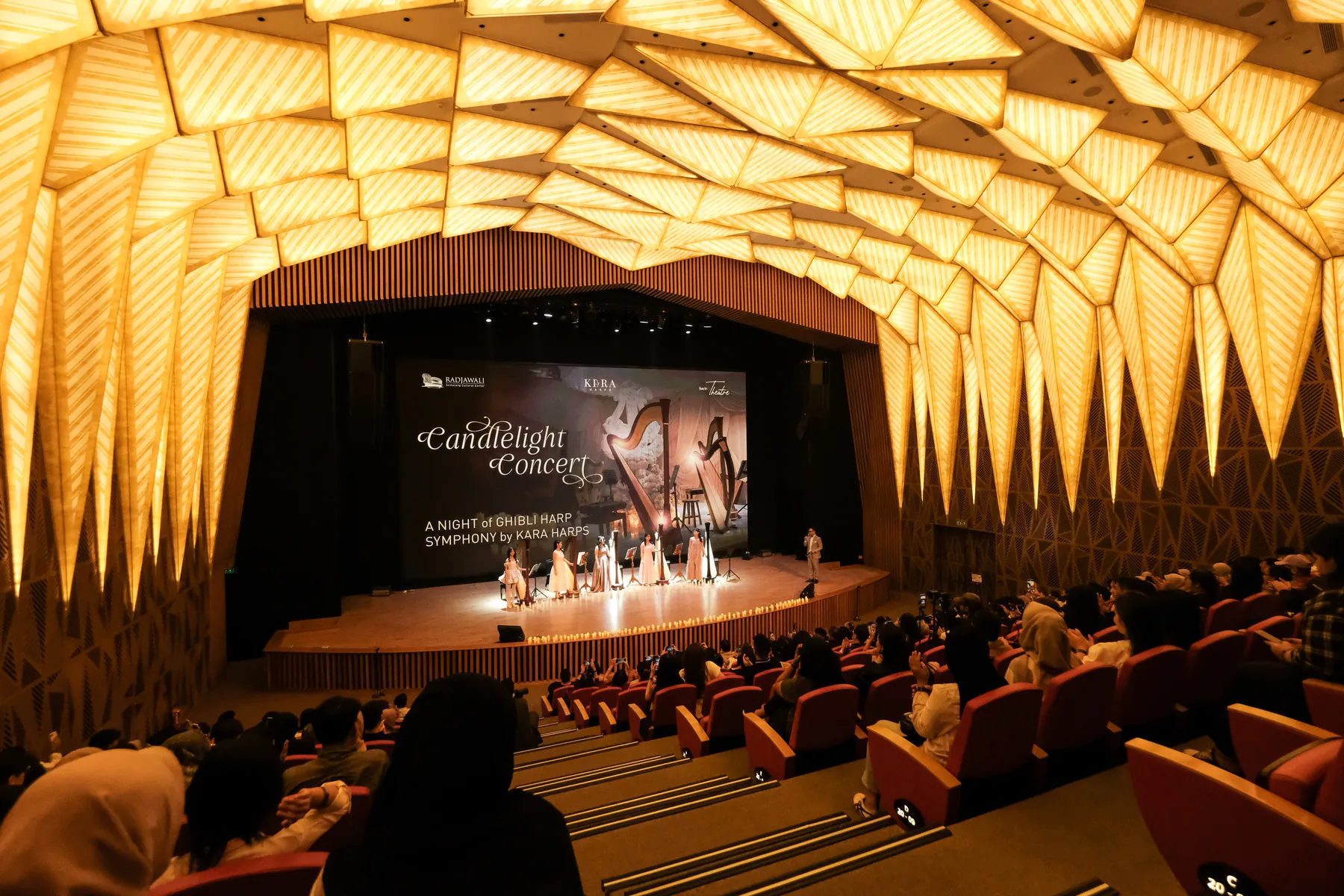
Kara began as a harp academy, and the harp is still at its centre. Beginners start with a younger teacher who is patient with fundamentals. As a student develops, they can move to senior teachers for more demanding repertoire, and the most advanced students work with the Principal. Students go on to exams, recitals and the Candlelight Concerts in Surabaya, and some to international competitions in Hong Kong, Korea and Malaysia. We confirm the teacher and schedule with you in writing before anything is agreed.
Kara Harps is the harp academy of Kara Music Academy. Follow its concerts and events on Instagram at @karaharps.
Who the harp suits
The harp suits a child who likes to listen, enjoys detail and can be absorbed in something for half an hour. It rewards patience more than talent, and it can suit children who find louder, faster instruments overwhelming. Adults are welcome as complete beginners.
It is not a quick instrument. The first weeks are quiet, the first pieces are simple, and progress is steady rather than dramatic. If your household cannot keep a weekly slot and some regular practice, the harp will frustrate everyone, and we would rather say so at the trial than after three months.
Looking after a harp in Surabaya
A harp is sensitive to heat and humidity, so in Surabaya the best place for one is an air-conditioned room. A lever harp can live in the corner of a bedroom. A concert harp needs more space. Please come and play one at the studio before you decide anything.