Programmes
Classical and contemporary, taught one to one.
Violin, cello, piano, voice, drums and guitar. Two streams with different ways of teaching, one shared structure, and a clear route from the first lesson to the stage.
Trial lesson Rp 200,000, credited to your first month if you enrol within 7 days.
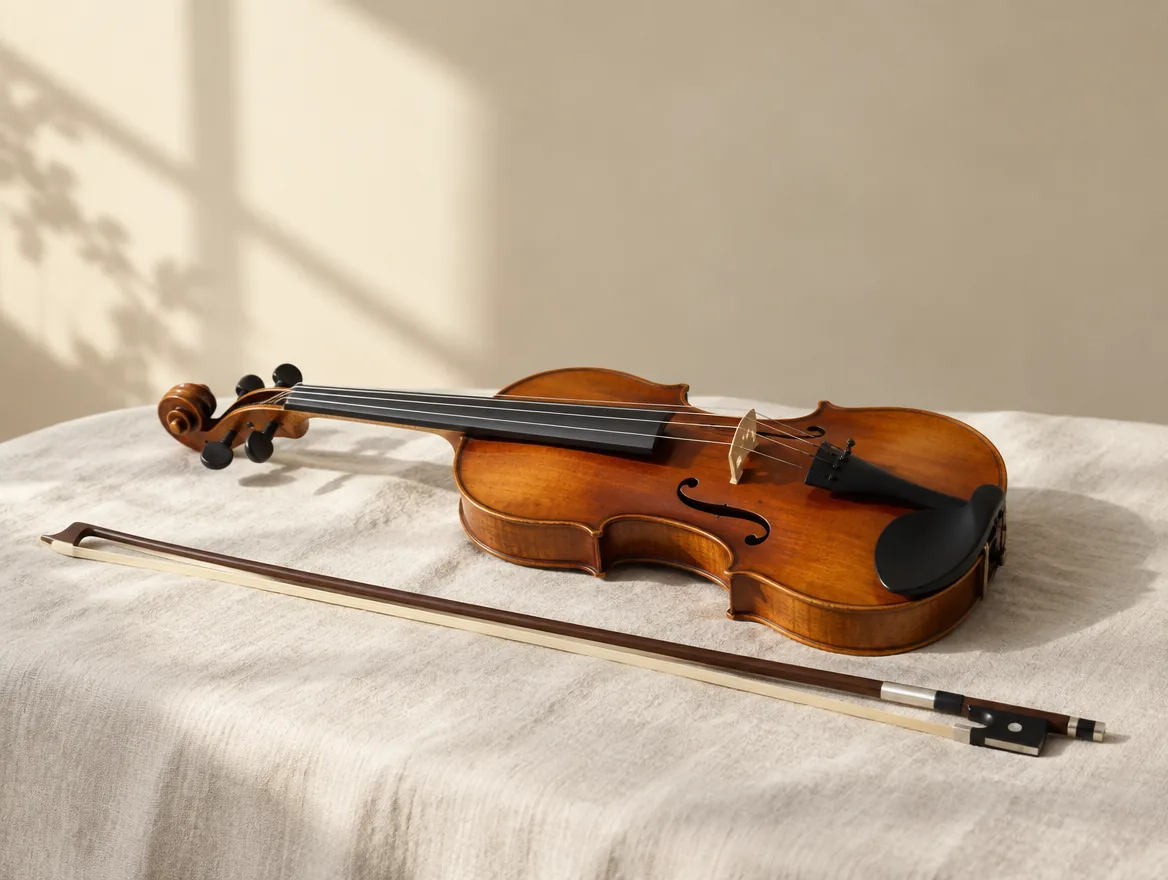 Six
Sixinstruments
Two streams
Two streams
Choose the way your child wants to learn.
Every instrument here sits in one of two streams. The stream decides how lessons are built, not how seriously they are taken.
Classical
- Violin
- Cello
- Piano
- Structured technique, reading and repertoire
- Exam and recital pathways
Contemporary
- Voice
- Drums
- Guitar
- Repertoire built around what the student wants to play
- Performance-focused from early on
The difference
Same care, different starting points.
Classical lessons start with the foundation. Technique, posture, reading music and a graded body of repertoire come first, and the student builds upward from there. It is a patient approach, and it pays off in control, accuracy and a deep understanding of how music is put together.
Contemporary lessons start with the music. The student begins with songs and styles they actually want to play, and technique is learned through them. The focus is on ear, rhythm, chords, feel and playing with others, and it is built to get students performing early.
The line between the two is not a wall. A classical pianist can play a pop song at the end of a lesson, and a guitarist will be taught to read when it helps them. A good teacher uses whichever tool serves the student.
| At a glance | Classical | Contemporary |
|---|---|---|
| Instruments | Violin, cello, piano | Voice, drums, guitar |
| Where lessons begin | Technique, reading and foundations | Songs and styles the student loves |
| What the student builds | Control, accuracy and musical understanding | Ear, rhythm, feel and stage confidence |
| Pace | Steady and cumulative | Quick to first songs, then deeper |
| Natural pathways | Exams and recitals | Performance and showcases |
Classical may suit a student who
Enjoys structure and clear goals, is happy to work on detail, or wants a strong technical base for exams or further study.
Contemporary may suit a student who
Wants to play the music they already listen to, learns best by doing, or dreams of playing in a band or singing in front of people.
The shared structure
Every stream runs the same way.
Whatever the instrument, the rhythm of study is the same, so your week is predictable.
A fixed slot
Your child has the same time every week. It becomes part of the family routine, and routine is what makes practising stick.
Three months to begin
We ask for a three-month minimum. A new instrument needs continuity before it starts to reward the effort.
Progress on paper
Semester reports show you how your child is developing, so you are not left guessing.
Fees are due by the 10th of each month, and scheduling and payment go through Kara admin. The full terms, including rescheduling, are set out on the pricing page.
The instruments
Six instruments, each taught properly.
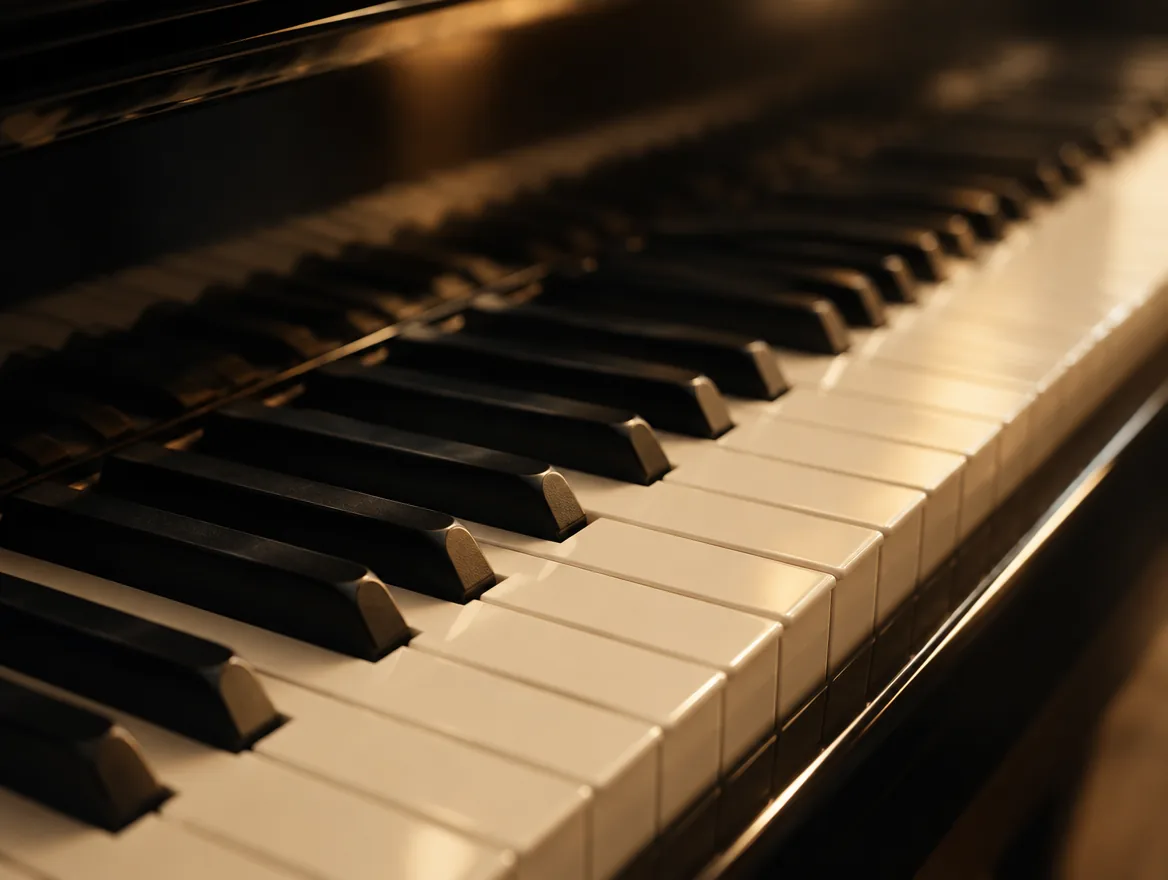
Violin
Bowed strings reward a good ear and steady habits. Students learn intonation, bow control and tone, and move from simple tunes to real repertoire.
Cello
Deep, warm and close to the human voice. The cello builds a strong sense of pitch and phrasing, and it is a natural partner for ensemble playing.
Piano
The clearest map of how music works. Piano builds reading, coordination and theory together, and gives a foundation for every instrument that follows.
Voice
Breath, tone and confidence. Students learn to sing in tune, look after their voice and perform songs in a style that suits them.
Drums
Time, feel and coordination. Students learn to keep a steady beat, play patterns across the kit and lock in with other musicians.
Guitar
Chords, rhythm and riffs first, and then the skills to accompany singing or play in a band. Students are playing recognisable music quickly.
Pathways
Somewhere to go with all that practice.
Lessons work best when they lead somewhere. Students can aim at any of three things, depending on their goals.
Exams
For students who want a clear, external measure of progress. Exam preparation gives a student structure and a credential that goes into their portfolio.
Recitals
A chance to play a prepared piece for family and friends. Recitals teach students to prepare, to perform under a little pressure and to enjoy it.
Performance
For students who want to be on a stage, in a band or in front of an audience. Contemporary students in particular are encouraged to perform early and often.
Whichever route a student takes, their achievements are recorded in a credential portfolio that grows with them. You do not need to decide on a pathway at the start. Direction usually becomes clearer after a few months of lessons.
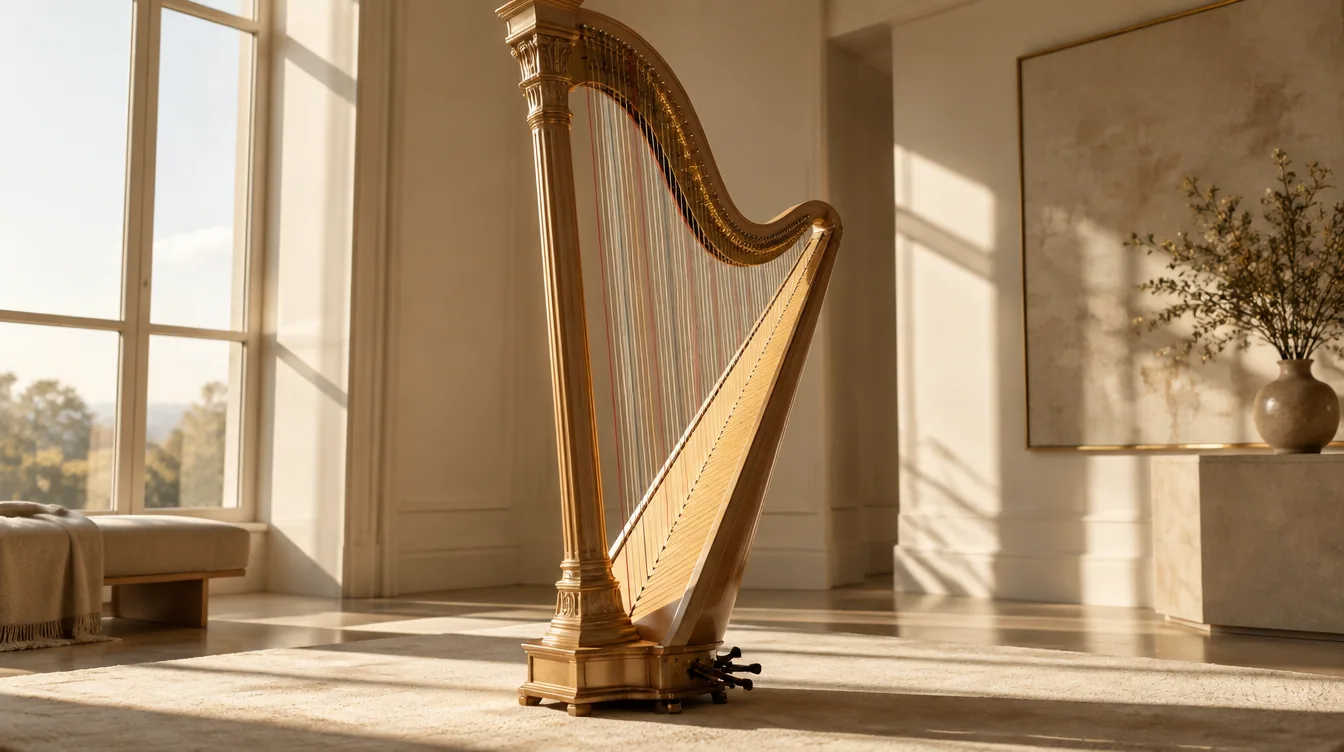
Curious about the harp?
The instrument we built the academy around.
Kara is Surabaya's specialist harp academy, with the largest harp faculty in East Java. If you have never sat beside a harp, the harp page explains what it is, why it is worth learning and how students progress. Harp lessons start from Rp 1,400,000 a month.
Not sure which stream?
The trial lesson answers it.
Thirty minutes with a teacher matched to your child's age and interest. Your child plays, you watch, and we talk honestly about which instrument and which stream suit them. If it is the right fit, you have seven days to enrol, and your Rp 200,000 trial fee comes off the first month.
Choosing is easier with a teacher in the room.
Many families arrive undecided between two instruments. That is exactly what the trial is for.
Book a trial and hear the difference.
One lesson, one teacher, no obligation beyond the trial fee. Bring your child, try the instrument and decide with something real to go on.